The Significance and Traditions of The Japanese Tea Ceremony: SADŌ
Posted on: 21 Jun 2022
in Articles/Blogs
Tea is more than simply a hot beverage in Japan. It is a highly important ceremony with a lot of cultural significance. The tea ceremony denotes purity, peace, respect, and harmony, and it is meticulously prepared.
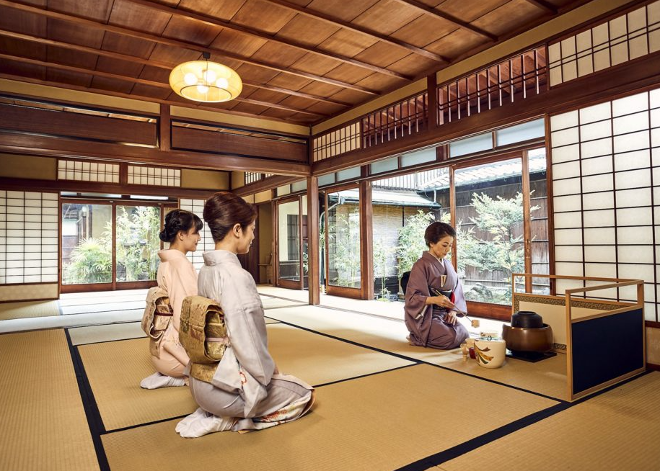
The Japanese tea ceremony is tied to Buddhism and dates back to the 9th century when it was carried by a Buddhist monk returning from China. According to the Nihon Koki, the Buddhist monk Eichu personally made and served sencha to Emperor Saga during a visit to Karasaki in 815.
Tea had been around for nearly a thousand years in China by the time it became popular in Japan. Green tea was utilised in religious rites at Buddhist monasteries and was primarily used for medical purposes across China. It became a prestige symbol among the warrior class in Japan, and it began to create its own aesthetic.
The concept of "Wabi" and "Sabi" is one of the most essential principles underlying the Japanese tea ritual. "Wabi" signifies human spiritual experiences and represents peaceful and sombre refinement. The term "Sabi" refers to the tangible part of existence and meaning worn or deteriorated. Understanding this emptiness and imperfection is seen as an essential component of spiritual awakening. A tea ceremony provides an insight into a fascinating aspect of Japanese society that is rich in history and cultural importance.
In a Japanese tea ceremony, there are some basic tools and ingredients that one requires to carry out a proper tea-drinking ritual.
- Matcha
- Fukusa - Silk Cloth
- Chaki or Usuki - Tea Caddy
- Chagama - Tea Pot
- Chashaku - Ladle
- Chawan - Tea Bowl
- Chasen - Tea Whisk
The tea ceremony approach varies based on the site and time of year, but often the host and visitor will give each other a quiet bow before ritually purifying themselves in a stone basin by washing their hands and rinsing their mouths with water. They will then take off their shoes before entering the tea area through a tiny door. They will be seated in descending order of prestige.
The visitors will be served a multi-course dinner with sake and a tiny treat. Following the lunch, there is a pause during which the guests leave the room and the host washes it, arranges floral arrangements, and prepares to serve tea.
The guests are summoned back inside the tea room, where they must once again cleanse themselves before inspecting the goods in the room. Every object used in the process, including the tea scoop, whisk, and tea bowl, is ritually washed. Bows are exchanged, and the first visitor is presented with a bowl of tea. They take a drink, thank the host for the tea, bow, and then clean the rim before passing it to the second visitor. The process is continued until everyone has drank from the same bowl of tea.
The host will pass the tea bowl around to each visitor in turn. The "front" of the bowl will be facing you when you get it. Take the bowl with your right hand and place it on your left palm. When your tea is ready, bow once and raise your tea bowl to the host.
Rotate the bowl clockwise so that the "front" of the bowl is no longer facing you. Take a drink and thank the host for the tea. Wipe the rim of the bowl after a few sips. When returning the bowl, make sure the front is towards the host, and then bow to convey your appreciation.
Many significant personalities have contributed to the wonderful art of tea ceremony becoming what it is today. Among them are the three most prominent historical figures who shaped Japanese tea culture as we know it today are:
- Murata Juko
- Takeno Joo
- Sen no Rikyu (a.k.a. Sen Rikyu)
Understanding all the complexities of the Japanese tea ceremony, a tradition profoundly established in Japanese history and connected with other Japanese arts would require a lifetime of study. Fortunately, anybody can enjoy and appreciate the Japanese tea ceremony with the assistance of an experienced host. Feel the warmth of Japanese hospitality and the tranquil sense of Zen that comes with the ceremony for yourself.
…. yet the whole of this art, as to its detail, signifies no more than the making and serving of a cup of tea. The supremely important matter is that the act is performed in the most perfect, most polite, most graceful, most charming manner possible.
— Lafcadio Hearn