Hanami
Posted on: 25 Oct 2022
in Articles/Blogs
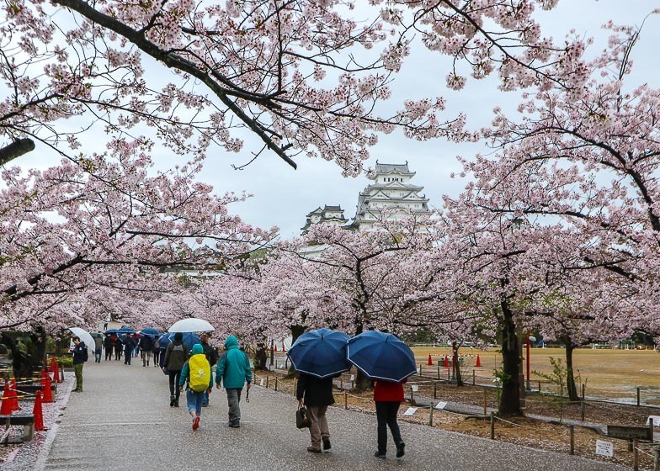
Hanami (花見) literally means "flower viewing," but it usually refers to cherry blossom viewing. Viewing cherry blossoms is simple: simply look at a single tree or a group of trees to enjoy the brightness of the many blossoms. The tree branches appear as beautiful clouds from a distance, while single blossoms can be enjoyed from a close distance. Together with a castle, temple, or shrine, cherry blossoms are particularly lovely. A stunning sight effects when the blossoms are illuminated at night in some locations of Japan.
The timelessness of HANAMI
When people know when the cherry blossoms will bloom in their area, it is customary to start planning picnics for hanami (flower viewing). This could be a bento box picnic with rice balls and fried chicken, or oden, a camping stove hotpot with white radish, fried tofu, fish cakes, and eggs. These are frequently served with cans of beer or cups of sake (Japanese rice wine).
Hanami has a long history, dating back to the Nara period (710–794) and flower viewings of plum blossoms. The fragrance of the plum flower heralds the arrival of spring and played an essential role in Heian court cultures (794-1185). The plum/cherry blossom/wisteria flowers were frequently used as a theme in court poetry competitions.
Sakura appreciation grew alongside plum appreciation during the Heian period in a form of poetry known as waka. Waka, which translates as "Japanese Song," is composed of five lines of five/seven/five/seven/seven syllables each. The beauty of the cherry blossom is a recurring theme in Kokin-Waka-Sh, the first imperial anthology of Japanese poetry.
For example, Ariwara no Narihira's poem in the collection reads as follows:
If ours were a world
where blossoming cherry trees
were not to be found,
what tranquillity would bless
The human heart in springtime!
In Narihira's poem, it is claimed that the blossoms disturb our peace of mind rather than that they are peaceful. This is the essence of mono no aware, a sense of appreciating the fleeting "perishable beauty" of nature and human emotion. The dissemination and acclaim of cherry blossom images appear to be closely linked to this Japanese aesthetic both back then and now. This sense of appreciating nature - petals falling on the ground as people's lives change, the delightfulness and gentle excitement of it all - is inextricably linked with the passing of time and decay. This brings on the emotion of melancholy. As Ki no Tsurayuki states in his preface, we are "started into thoughts on the simplicity of life."
Cherry blossoms colour Japan for a brief and beautiful moment each spring. Such is the ephemeral nature of this eagerly anticipated annual cherry blossom and wisteria flowering phenomenon.
The Hanami Philosophy
So, what distinguishes a cherry blossom from a blossoming ume or wisteria tree? The answer lies in the short lifespan of the petals: shortly after the flowers have fully developed, the wind begins to whisk them away. Sitting under a cherry blossom tree, it's impossible not to be reminded of the fleeting nature of its beauty. The cherry blossom philosophy is defined by the passage of time. The small, fair petals are not only a lovely natural spectacle but also a metaphor for life.
This acceptance of the nature of things defines the philosophy behind cherry blossom, and it is the reason why, in the end, it was the cherry rather than the plum that inspired countless poems, pictures, songs, dances, novels, and other works of art and thought. Nothing seems more expressive of human mortality than the cherry blossom, a chance that no one wants to forego.
“What a strange thing!
To be alive beneath cherry blossoms.”
― Kobayashi Issa, Poem